Signs It’s Time to Replace Your Air Conditioner

An efficient and reliable air conditioner is essential for comfort, especially during Australia’s scorching summers and unpredictable seasons. However, like any appliance, air conditioners don’t last forever. Over time, wear and tear, advancing technology, and changes in energy efficiency standards may render your old unit less effective or costlier to maintain. Recognising when to replace your air conditioner is crucial to avoid high bills, inconsistent cooling, and unnecessary air conditioning repairs. This article explores the key signs that indicate it’s time for an upgrade.

1. Insufficient Cooling or Uneven Temperatures

One of the first signs your air conditioner may need replacement is when it fails to cool your home effectively. If certain rooms are consistently warmer or cooler than others, or the system struggles to maintain your desired temperature, there could be underlying issues.

Inconsistent cooling may result from wear and tear, reduced efficiency, or an improperly sized unit for your home. An air conditioner that once kept your entire house comfortable but now struggles to do so may have lost its capacity to perform due to age or system degradation. While minor issues like a clogged filter or low refrigerant can sometimes cause this, persistent cooling problems often signal that replacement is the best option. Upgrading to a modern unit ensures even, efficient cooling throughout your home.

2. Frequent Repairs and Rising Maintenance Costs

If your air conditioner is breaking down more often than usual, it’s likely reaching the end of its lifespan. Occasional repairs are expected, but frequent service calls can quickly add up in terms of both cost and inconvenience.

When repair bills start to rival the price of a new unit, it makes sense to replace rather than patch up the old one. Older systems often require parts that are harder to source and more expensive to replace. Additionally, the older your system, the more likely it is that repairs will only provide a temporary fix rather than a long-term solution. Investing in a new air conditioner can save you money and stress over time by reducing the need for constant maintenance.
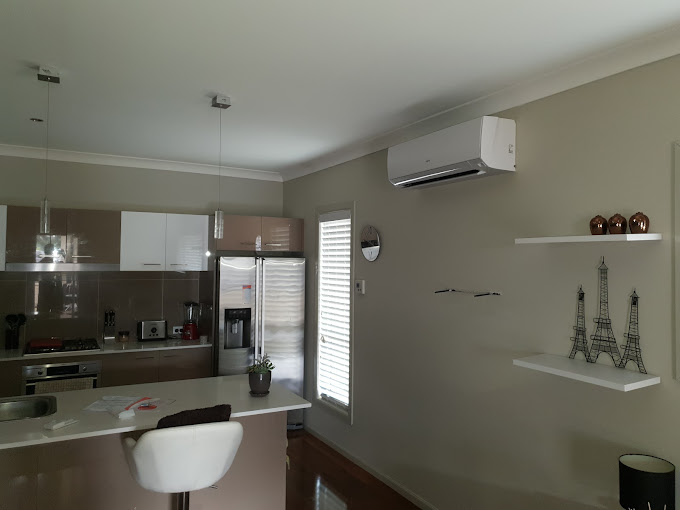
A room with an installed AC

3. Age of the Unit

Air conditioners typically have a lifespan of 10–15 years, depending on the model and how well it has been maintained. If your unit is approaching or exceeding this age, it’s likely running less efficiently than when it was new. Older systems often lack the energy-saving technologies available in modern units, meaning they consume more electricity to deliver the same level of cooling.

As air conditioners age, they also become less reliable, with more frequent breakdowns and reduced overall performance. If your unit is nearing the end of its lifespan, now is the time to consider upgrading. Modern air conditioners are designed with advanced technology that improves efficiency, reduces environmental impact, and enhances user comfort.

4. Unusual Noises or Odours

Strange sounds or smells coming from your air conditioner are never a good sign. Common noises, such as grinding, rattling, or squealing, often indicate mechanical issues like worn-out components, a failing motor, or debris in the system. These problems, if left unaddressed, can lead to complete system failure.

Similarly, unpleasant odours can point to underlying issues. Musty smells may indicate mould or mildew in the system, while burning or chemical odours can suggest electrical problems or refrigerant leaks. While some of these issues can be repaired, they often signal deeper problems that justify replacing the unit. A new air conditioner can eliminate these concerns and operate more quietly and cleanly.

5. Increasing Energy Bills

If your electricity bills are climbing despite using your air conditioner the same way, it may be losing efficiency. Over time, air conditioners have to work harder to cool your home, leading to increased energy consumption. This can result from ageing components, wear and tear, or outdated technology that can’t compete with modern energy-efficient systems.

Replacing an old, inefficient air conditioner with a newer model can significantly reduce your energy costs. Modern systems are built with advanced features like variable-speed motors and better energy star ratings, which allow them to cool your home effectively while using less electricity. In the long run, the savings on your energy bill can offset the upfront cost of a new unit.

6. Use of Obsolete Refrigerants

Older air conditioners often rely on refrigerants like R-22, commonly known as Freon. However, this substance has been phased out due to its harmful effects on the environment. As a result, R-22 is no longer manufactured, making it both expensive and difficult to source for repairs.

If your air conditioner uses obsolete refrigerants, it’s time to consider upgrading to a system that operates with environmentally friendly refrigerants like R-410A. Not only will this reduce your environmental impact, but it will also save you money on costly refills in the future. A modern system ensures compliance with current regulations and provides long-term peace of mind.

7. Limited Features and Outdated Technology

Older air conditioners lack the advanced features available in modern systems, which can improve efficiency, convenience, and comfort. For example, many newer units come with smart controls, allowing you to adjust settings remotely via a smartphone or integrate the system into a home automation setup.

Other modern innovations include energy-saving modes, variable-speed motors for precise temperature control, and advanced air filtration systems that improve indoor air quality. If your current air conditioner doesn’t offer these features, upgrading to a newer model can enhance your overall living experience while reducing energy consumption and costs.
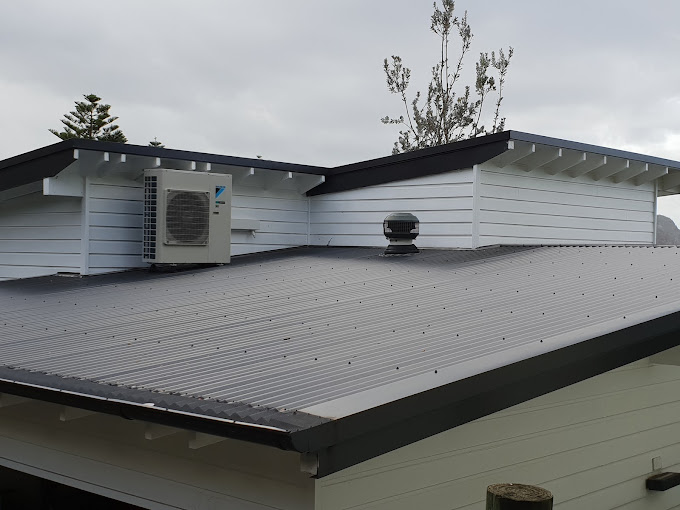
Outdoor unit of AC on the roof

Benefits of Replacing Your Air Conditioner

Replacing your air conditioner when the time is right offers several advantages. A new system can significantly improve energy efficiency, leading to lower electricity bills and a reduced carbon footprint. Modern units are also quieter, more reliable, and equipped with features that provide greater convenience and comfort.

Furthermore, upgrading ensures that your home remains cool and comfortable during the peak of summer without the worry of unexpected breakdowns or costly repairs. By replacing an outdated unit with a new, energy-efficient model, you’re making a smart investment in both your home and your long-term financial well-being.

Related Questions

An air conditioner may be in poor condition if it is making unusual noises like grinding or rattling, producing unpleasant odours, or failing to cool your home effectively. If the air conditioner struggles to maintain a comfortable temperature, creates hot spots in different rooms, or has a noticeable increase in energy bills, these are all signs it could be malfunctioning. Frequent repairs, high maintenance costs, or an air conditioner that is over 10 years old are also indicators that it might need replacing. Additionally, if the unit is using outdated refrigerants (like R-22), it could be time for an upgrade.

Conclusion

Recognising the signs that it’s time to replace your air conditioner is essential for maintaining a comfortable and energy-efficient home. If your unit is struggling to cool effectively, requiring frequent repairs, or nearing the end of its lifespan, it’s worth considering an upgrade. Other indicators, such as unusual noises, rising energy bills, or outdated refrigerants, further highlight the need for a replacement.

Upgrading to a modern air conditioner not only enhances comfort and reduces energy costs but also provides peace of mind with advanced technology and improved reliability. If you’re experiencing any of these signs, consult a professional to assess your system and guide you in choosing the best replacement for your needs. With the right unit, you can enjoy efficient, reliable cooling for years to come.

Contact us today for free HVAC and electrical consultations!